蜂の子サプリを賢く活用!
蜂の子は、古くからイキイキをサポートする成分として活用されてきたアイテム。
若々しさに欠かせないアミノ酸を中心に、様々な栄養素をバランス良く含有しているのが魅力です。
「毎日をイキイキと過ごしたい」「聞こえ方が気になる」という方にぴったりの健康食材として、今、大きな注目を集めています。
ただし、以下のようなデメリットも挙げられます。
- グロテスクな見た目が気になる
- どこで手に入れれば良いか分からない
そこで今注目されているのが、蜂の子サプリメントの活用です。
サプリメントを活用すれば、見た目を気にすることなく手軽に蜂の子を摂ることができます。
さらに、簡単に入手することができて継続しやすいというメリットも!
上手に選べば良質なサプリメントをリーズナブルな価格で購入することができるため、手軽なコストで摂取できるのもポイントです。
このサイトでは、そんな蜂の子のサプリ選びを徹底サポート!
納得レベルの高いサプリメントの選び方をナビゲートします。
蜂の子とは?
蜂の子は、蜂の幼虫やサナギのこと。
日本では、古くから優れたタンパク源として活用されてきました。
世界的に見てもその歴史は長く、二千年以上も昔に書かれた中国の「神農本草経」にも、その名前が登場します。
漢方薬の上品としても使用されていた歴史があります。
主な含有成分としては、以下が挙げられます。
様々な栄養素がバランス良く含有されているのが特徴です。
蜂の子に含有される成分・栄養素
幼若ホルモン
幼若(ようじゃく)ホルモンは、炭化水素化合物のセスキテルペノイド。
昆虫の幼虫がサナギに変態する際にパワーを発揮するホルモンです。
この幼若ホルモンが成虫化をコントロールすることによって、幼虫からサナギへの変態が可能になります。
未知の部分が多い物質ですが、優れた健康パワーが期待されています。
不飽和脂肪酸

オレイン酸などの不飽和脂肪酸が豊富に含まれているのも蜂の子のメリット。
オレイン酸は、酸化されにくい性質を持っているのが特徴です。
巡りを整えてくれるパワーを期待できるほか、女性のキレイにも役立ちます。
また、ビタミンAをサポートするパルミチン酸や、体内でEPAやDHAになるリノレン酸が含まれているのもポイント。
さらに、リノール酸やラウリン酸なども含有されています。
アミノ酸
必須アミノ酸・非必須アミノ酸を問わず、バランス良く含有されています。
バリン・ロイシン・イソロイシンなどのBCAAがたっぷりと含まれているため、強いカラダを作りたい方にもぴったり!
コラーゲンの源となるプロリンが含まれているため、キレイを目指したい女性にもおすすめです。
また、リラックスに役立つγ-アミノ酪酸(GABA)が含まれるのもポイント。
心の穏やかをサポートして、ストレス社会の悩みをケアします。
ビタミン
ビタミン類としては、ビタミンAやビタミンCなどの優れた還元力を持つ成分が含まれているのがポイント。
カラダの内側から、若々しくイキイキとした毎日にアプローチすることができます。
さらに、ビタミンB群がバランス良く含まれているのも特徴の一つ。
葉酸やナイアシン、パントテン酸などもしっかりと摂取することができます。
ミネラル
日常生活で不足しがちなミネラル類をしっかりと補給できるのも蜂の子のメリット。
やる気を引き出し、ぐったりをケアする鉄をしっかりと補給することができます。
また、性別を問わずに積極的に摂取したい亜鉛を摂ることも可能。
神経と筋肉の活動に不可欠なイオン(=電解質)であるカリウムも補給することが可能。
そのため、食生活が乱れがちな方やカラダのバランスを整えたい方にもおすすめです。
この他には、リンやセレン、クロム、イオウなどを含有。
銅やマグネシウム、マンガン、ナトリウムなども含まれています。
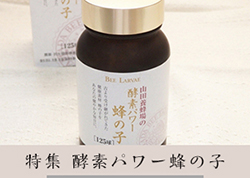
上記した栄養素をバランス良くしっかりと含有しているサプリメントの代表例としては、山田養蜂場の酵素パワー蜂の子が挙げられます。
蜂の子のパワーをしっかりと凝縮したトップクラスの製品です。
蜂の子はこんな方におすすめ
蜂の子は、様々な目的に活用することができる良質な健康食品。
そのパワーは、多岐にわたります。
特に、以下のようなケースでお悩みの方に人気の素材です。
クリアな会話を楽しみたい方
蜂の子に含まれる栄養素には、耳の健康をサポートする成分も含まれています。
以下の項目に当てはまる方に活用されています。
- 年齢を重ねて、聴こえ方が変わってきた…
- ザー・サーというノイズに悩まされている…
クリアな会話を楽しむことができるようになれば、毎日の過ごし方も変わります。
聞こえ方によるイライラは、当事者にしか分からず大変なものです。
上手に活用して、前向きな毎日を目指しましょう。
生活習慣の乱れが気になる方

生活習慣の乱れが気になる方の健康サポートにも、蜂の子は人気です!
- 健康診断の数値が気になる…
- 脂分・塩分の多い食事を摂ることが多い…
- 運動不足が気になるけどスポーツする時間はない…
そんなケースでも役立つ栄養が蜂の子には含まれています。
健康的な毎日のキッカケとして活用しましょう。
蜂の子は、イキイキとした毎日のサポートにもおすすめです。
若々しさ・キレイを維持したい方

実は、蜂の子には、年齢美容をサポートする成分がたっぷり含有されています。
コラーゲンの源となるアミノ酸がたっぷり含まれているため、お肌のグッタリが気になる方からも人気!
内側からの燃焼サポートや髪の毛の潤い・コシが気になる方にも活用されている、嬉しい素材なんです。
- 年齢を重ねて肌がドンヨリ
- カサカサ・パサパサが気になる
- メイクが上手く乗らない
- ダイエットに取り組んでも上手くいかないことが多い
- 髪の毛の潤い不足を感じる
「リラックスが必要」と感じる方

ストレス社会で頑張る世代をサポートしてくれるのも、蜂の子の魅力のひとつ。
- 職場や家庭でのストレスがしんどい
- 何をするにもやる気が出ない
- 休んでも休めた気がしない
こういったお悩みを抱えている方からも、蜂の子は人気です。
類似品との違い
蜂の子
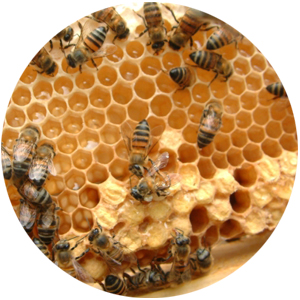
蜂の子には、タンパク質とアミノ酸が豊富に含まれているという特徴があります。
さらに、ビタミンやミネラルもバランス良く含まれているのがポイントです。
また、オレイン酸などの不飽和脂肪酸もしっかり含有されています。
ローヤルゼリーやプロポリスと比べると、リラックスをサポートする力・耳の健康をサポートする力などが特筆すべきパワーと言えるでしょう。
ローヤルゼリー
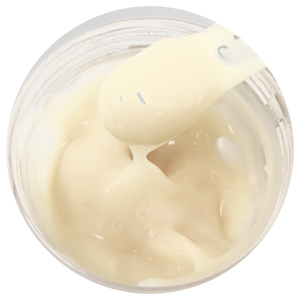
ローヤルゼリーは、女王蜂のためにつくられる食事。
働き蜂が花粉や蜂蜜を体内で分解・合成して作り出します。
強烈な酸味があるほか、クセのある独特の風味を有します。
アミノ酸やビタミンなどを豊富に含むほか、デセン酸という特有成分を含有するのが特徴です。
プロポリス
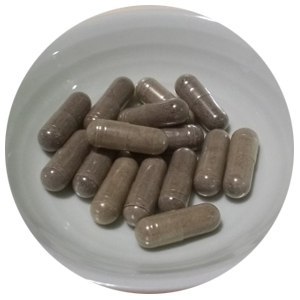
プロポリスは、樹液などからつくられる物質です。
本来は巣の補強のためにつくられますが、強力な殺菌・消毒作用があるため、健康食品として古くから利用されてきました。
独特の苦味がある食品です。
殺菌作用・抗炎症作用などが期待されるため、免疫力が気になる場合におすすめの健康食品です。
蜂の子サプリの選び方
様々なお悩みに活用されている蜂の子は、サプリメントをはじめとして非常に多くの製品が販売されています。
満足する為には、低品質な製品と高品質な製品を見極めなくてはなりません。
そこで、以下では製品選びのポイントをまとめています。
良質な製品を選ぶために知っておくと便利なポイントなので、是非ご一読ください。
- 初めてサプリメントを選ぶ方
- 今までサプリ選びに成功したことがない方
- 高品質なサプリを確実に選びたい方
は、ぜひ、以下の内容を参考にしてみてください。
蜂の子の品質を見分ける
お悩みにしっかりとアプローチするためには、良質な蜂の子を原材料として使用している製品を選ぶ事が大切。
低品質な素材を使用しているサプリメントを飲んで実感を得ることは難しいものです。
また、低品質な素材は安全面においてもリスクがあります。
そこで、以下では、蜂の子の品質を見分けるために知っておきたいポイントをまとめました。
Point1.オス蜂の子
もちろん、蜂の子にも性別があります。
そして、蜂の子サプリの原材料として適しているのはオス蜂の子です。
重量が重いためタンパク質やアミノ酸の含有量が豊富であるというのが、オスが選ばれる最大の理由。
また、成虫になるまでの期間も大きなポイントの一つです。
成虫になってしまうと、アミノ酸がタンパク質に変化してしまうのがデメリット。
タンパク質になるとアミノ酸よりも吸収率が悪くなってしまうからです。
メスは比較的短い期間で成虫になってしまいますが、オスはしっかりと時間をかけて成虫になります。
そのため、オス蜂の子なら、吸収率の良い状態の栄養素をたっぷりと摂ることができます。
そのため、蜂の子サプリを利用するなら、オス蜂の子を原材料に使用している製品がおすすめです。
Point2.生後日数
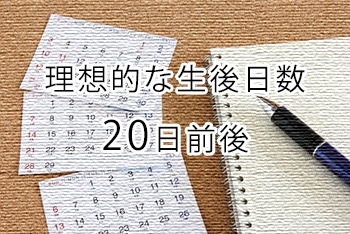
上記したとおり、蜂の子は成長が進んで成虫になってしまうと、アミノ酸がタンパク質に変化してしまいます。
タンパク質になってしまうと、吸収率が悪くなってしまうのがデメリットです。
しかし、幼すぎる蜂の子では重量が足らず、十分に栄養素を摂ることができません。
理想的とされているのは、成虫になる直前の蜂の子です。
生後約21日目程度の蜂の子が最適とされています。
良質な製品であれば、原材料として使用している蜂の子の生後日数や性別が明記されています。
サプリメントを選ぶ際は、この点をしっかりと意識しておくと良いでしょう。
ちなみに、当サイトのランキングでは、納得の結果にアプローチすることができる製品だけを掲載。
掲載しているサプリメントは、すべて上記した基準をクリアしています。
実力派の高品質サプリが一目瞭然になっているので、ランキングはおすすめです!
Point3.低分子化
低分子化が行われているかどうかもチェックしておきたポイントの一つ。
蜂の子サプリの場合、酵素分解技術などを用いることによって、予めタンパク質をアミノ酸に分解しておくというケースがあります。
これによって、吸収率をグッと高めることができるのがポイントです。
さらに、安全性が高くなるというのも低分子化のメリット。
アレルゲンとなるリスクの高いタンパク質をアミノ酸に変換することができます。
(絶対にアレルギー反応が起きないというわけではありません。)
これらのメリットがあるため、低分子化の加工がされたサプリメントはおすすめです。
ちなみに、酵素分解技術によって低分子化を行なっているサプリメントの代表例としては、酵素パワー蜂の子やハチの子800+などが挙げられます。
安心して継続できる製品を選ぶ

安心して飲み続けることができる製品を選ぶことができるかどうかも大切なポイント。
納得できる蜂の子パワーを活用するためには、継続して摂取することが必要不可欠です。
だからこそ、安心して飲み続けることができる製品を選ぶように意識したいところ。
以下では、「安心感」を左右するポイントについてまとめています。
Point1.養蜂場での管理体制
どんな養蜂場で育った蜂の子なのかを確認できる製品を選びましょう。
例えば、都市部から遠く離れた養蜂場は汚染のリスクが低いのでおすすめです。
また、「定置養蜂」で育てられている蜂の子ならさらに安心。
定置養蜂とは、同じ場所に次々と咲く多種類の花から蜜を集める養蜂形態のこと。
養蜂箱をトラックに積み花が咲いている場所へ移動していく「移動養蜂」の場合、環境ホルモンや大気汚染の悪影響を受けやすくなります。
さらに、長距離移動を繰り返すため、蜂の体力が低下して病気のリスクが高まってしまうのも問題。
それを防ぐために抗生物質が投与されることがあるため、安全面に大きな課題がある養蜂形態です。
しかし、効率の良いスタイルであるため、採用している養蜂家は少なくありません。
購入前に定置養蜂かどうかをしっかりとチェックしておくことが大切です。
Point2.製造時の安全管理
どんな工場で製造されているのかを確認しておきましょう。
おすすめは、日本国内の工場で製造されているサプリメント。
また、GMP認定工場で製造されている場合なら、さらに安心して摂取することができます。
各種条件から選ぶ
上記した条件以外にも、製品選びの際に確認しておきたいポイントがあります。
具体的な内容を以下にまとめました。
含有量

含有量が十分でないサプリメントを飲んでいてもなかなか納得のいく結果を得られません。
逆に、含有量が豊富なサプリメントなら、スムーズなアプローチが可能になります。
そのため、サプリメントを選ぶ際には、含有量をチェックしておくことが大切です。
1日あたり700mg以上の蜂の子が含有されているかどうかを一つの目安とすると良いでしょう。
この目安をクリアしている代表的な製品としては、山田養蜂場の酵素パワー蜂の子などが挙げられます。
飲みやすさ
継続するほど満足度が高まっていく蜂の子だからこそ、飲みやすいサプリメントを選ぶのは大切です。
飲みやすいサプリメントなら、無理なく継続していくことができます。
飲みにくいサプリの場合、いくら良質だったとしても飲みづらさを理由に継続を止めてしまうというケースもあります。
そのため、味や匂いなどを事前にチェックしておくのがおすすめ。
飲みやすいサプリメントを選ぶことを意識しましょう。
当サイトでは、人気製品を特集したページをご用意しています。
その中で、各製品のクチコミをまとめたので、ぜひ参考にしてみてください。
ランキングで選ぶ
結局製品数が多すぎて選びきれない、じっくり比較検討している時間がない
そんなケースでは、ランキングを活用して製品を選んでください。
当サイトでは、人気製品の各種条件を徹底調査・比較して、ハイクオリティなサプリメントだけを厳選したランキングをご用意しています。
選び方に悩んでいる方は、ぜひ、これを参考にしてみてください。
当サイトイチオシのサプリはコレ!
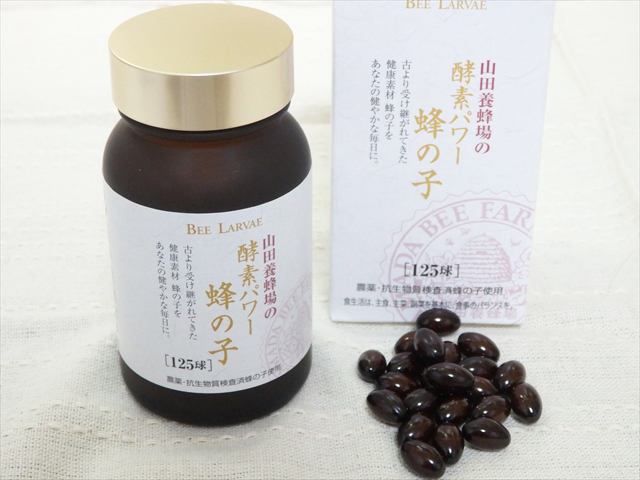

山田養蜂場の酵素パワー蜂の子はおすすめのひとつ。
この製品は、ここまでに解説した各種条件を殆どすべてクリアしているサプリメントです。
断トツのスペックという訳ではないものの、これといった欠点はありません。
バランスのとれた製品と言えるでしょう。
含有量は一日あたりの摂取目安量に720mgと平均以上でありながら、独自の酵素分解技術によってタンパク質を低分子化しています。
ズバ抜けた含有量を誇る訳ではありませんが、吸収率が高く、お悩みにアプローチしやすいサプリメントです。
さらに、配合成分としてはγ-アミノ酪酸(GABA)がプラスされています。
また、ビタミンB2やビタミンB12などを配合しているのもポイント。
これらの成分によって、蜂の子のパワーを引き出すという工夫も見られます。
原材料となっているのは中国の養蜂場で採取された蜂の子です。
中国産という点に不安を感じる方もいらっしゃるかと思いますが、山田養蜂場の直営・提携養蜂場なので品質管理レベルは低くありません。
「いつ・どこで・誰が」採取したのか…というトレーサビリティシステムも確立されています。
さらに、微生物検査や合成抗菌剤検査、抗生物質検査、重金属検査などなど…各種検査が実施されています。
そのため、安心して飲み続けることができる条件をクリアしていると判断することができるでしょう。
飲み心地について
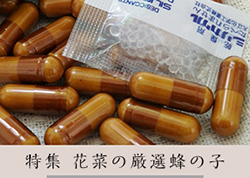
粒の形状はソフトカプセル。
カプセルタイプですから当然ですが、抵抗を感じるような蜂の子の見た目を連想させるような部分もありません。
味や匂いなどについてもクセを感じることはありません。
デメリットを挙げるなら…
キャンペーンが実施されていません。
初回大幅割引や、モニターキャンペーンが実施されていません。
定期購入にすれば毎回割引になるため、1箱あたり約500円程度安く買うことが出来ます。
コストパフォーマンスに関しては評価が安定しているようです。
公式サイトで購入するのが一番安く、通常購入でも1ヶ月分が4572円ですし定期コースを選べば割引が適用されて4000円で購入できます。
いずれの場合でも、送料は無料です。
そのため、コストパフォーマンスが低く評価されることはあまりありません。
モニターキャンペーンなら
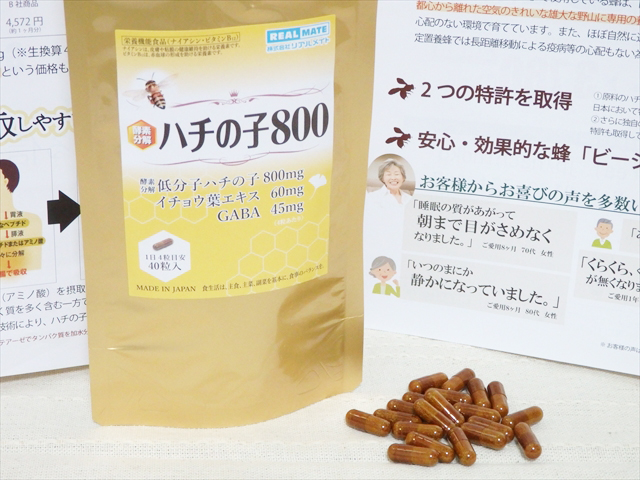
※写真は旧タイプパッケージです。
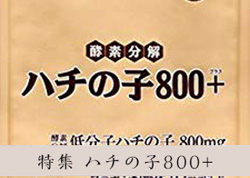
ハチの子800+というサプリメントは、モニターキャンペーンを展開しているサプリの一つ。
初回は10日分を500円という価格で購入することができます。(送料無料)
品質にも配慮されています。
酵素分解処理によって低分子化し、吸収率を高めています。
一日あたりの摂取目安量に800mgの含有量を確保しているため、この点は高く評価したいですね。
使用されている蜂の子は、生後21日前後のオス蜂の子です。
さらに、追加配合成分としてGABAやイチョウ葉エキスをプラスしています。
関連情報一覧